


Living in Milan as an International Student
Hey, I'm Luca, city host of Milan at Socials.
I came to Milan from Turin two and a half years ago thinking I knew Italy, so how different could Milan be?
Turns out, very different. My first month was rough, I paid €700 for a tiny room in Porta Venezia, got fined €36 on the metro for not validating my ticket properly, and learned that "aperitivo" in Milan is a completely different experience than anywhere else.
This guide is everything I wish someone had explained to me before I arrived, the actual student version of how to live here without burning through your money in two months.
Let's start with the part that'll stress you out first: finding a place to live.
1. Student Accommodation in Milan
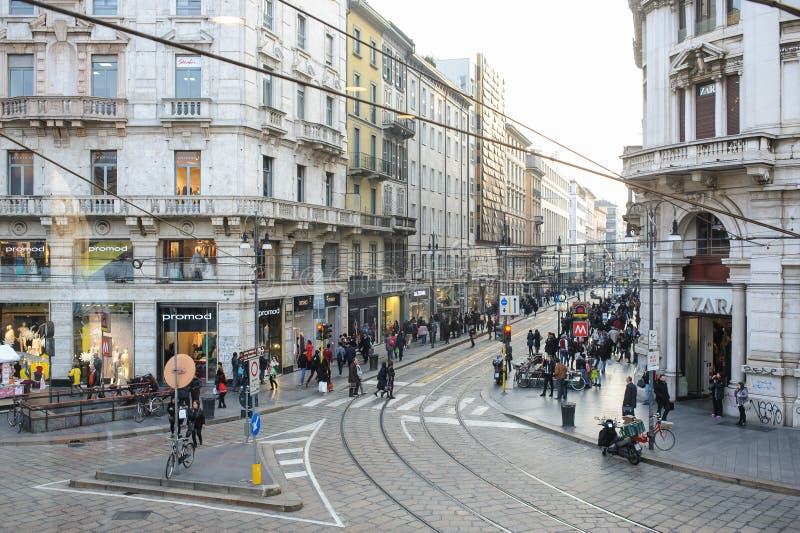
Milan's housing market is expensive and competitive. International students are prime targets for overpriced rooms and sketchy contracts. Here's what you need to know.
University Residences (On-Campus)
Most major universities offer on-campus housing. Prices range €300-600 per month depending on the university and room type. This is significantly cheaper than private rentals. The downside: limited spots, you need to apply early and there are usually rules about guests and curfews. If you get offered a spot, seriously consider it.
Città Studi
This is Milan's university district. Politecnico is here, and students from other universities live here too because it's well-connected and has that student neighborhood vibe. Rent runs €400-650 per month for a room in a shared flat. The area is packed with students, cheap food options, and libraries. It's not fancy, but it works. M2 (green line) connects you to the rest of the city.
Porta Romana / Lodi
South of the center, close to Bocconi. This area has become popular with students and young professionals. Rent is €450-700 per month. You're near Navigli (the canal district where everyone goes out), and M3 (yellow line) or trams get you anywhere. It's a good middle-ground between central location and semi-reasonable prices.
Navigli / Porta Genova
If you can afford it (€600-900+ per month), this is where the nightlife and social scene centers around. Beautiful canals, tons of bars and restaurants, very photogenic. Most students can't afford to live here but everyone comes here on weekends. M2 (Porta Genova) or trams access it.
The reality of finding a place: Join our Milan WhatsApp group before you arrive. Students post when they're leaving so you get first look at rooms.
2. Getting Around Milan: Transport for Students
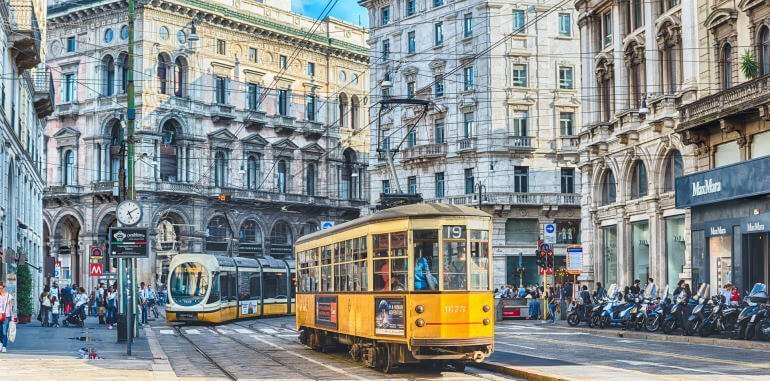
Milan's public transport is run by ATM (Azienda Trasporti Milanesi). The metro is your main transportation. The system works well once you understand it.
Trams and Buses: Milan has an extensive tram network - some are the historic wooden trams that look like they're from the 1920s (because they are). Trams and buses fill in gaps where metro doesn't go. Same ticket works for everything.
ATM Student Card is essential. If you're under 27, you can get a monthly unlimited pass for €22 (over 27 it's €39). This is dramatically cheaper than buying single tickets (€2 each, valid 90 minutes).
How to get the ATM card:
- Bring passport, codice fiscale (Italian tax code - get this at your university), and 2 passport photos
- Go to ATM Point at metro stations (Duomo, Centrale, Romolo are the main ones)
- Fill out the form, pay €10 for the card (valid 4 years)
- Top up with monthly or annual pass (monthly is €22 for under 27s)
The card is issued immediately. Load it with a monthly pass and you're set for unlimited metro, tram, bus travel in Milan's urban zone.
Do not forget : Always validate your ticket. They check constantly and don't care about excuses.
3. Cost of Living for International Students in Milan
Milan is the most expensive city in Italy. But compared to London, Paris, or Zurich, it's manageable if you budget properly.
Monthly budget breakdown:
- Rent: €350-700 depending on area and room type
- Food: €200-350 if you cook mostly at home
- Transport: €22 with student ATM card
- Phone/Internet: €10-25 for mobile plans
- Going out: €150-300 depending on lifestyle
- Utilities: Usually €50-100 split between flatmates
Where to actually save money:
Supermarkets: Lidl and Esselunga are cheapest for basics. Local markets (mercati) happen in different neighborhoods on different days, where you can buy fresh produce, cheese, meat for much less than supermarkets.
Free or cheap activities: Many museums have free entry on first Sunday of each month. Parks (Parco Sempione, Giardini Indro Montanelli) are free and good for studying outside. Student discounts exist for theaters and concerts, always ask and show your student ID.
Aperitivo culture: This is how students eat dinner cheaply in Milan. Many bars do aperitivo from 6-9pm where you pay €8-12 for a drink and get access to a buffet of food. Navigli and Porta Romana areas have tons of aperitivo spots.
Try to avoid: Restaurants in tourist areas (Duomo, Galleria, Brera) where pasta costs €15-20. Stick to neighborhoods where locals eat, Città Studi, NoLo, Isola, where the same pasta is €8-10.
4. Finding Food from Home in Milan

Milan is known for embracing the Italian cuisine, however they offer international food variations as well. You can find food from most places, though prices vary.
Chinese/Asian - Huge Chinese community, especially around Paolo Sarpi area (Chinatown). You'll find Chinese supermarkets, restaurants, bubble tea shops. Also growing Korean and Japanese presence in Porta Venezia and Città Studi. Expect €8-15 for meals.
American/Fast Food - McDonald's, KFC, Burger King exist but are overpriced compared to actual Italian food. €8-12 for fast food meals. Not worth it unless you're desperately homesick.
Middle Eastern/North African - Scattered around the city, particularly in Loreto, Centrale, and Isola areas. Kebab shops are everywhere (€5-7), and there are proper Middle Eastern groceries for ingredients. Halal options are widely available.
The harsh truth: Italian food is everywhere, obviously, and it's affordable if you avoid tourist traps. If you want to save money, learn to eat Italian-style, like pasta, pizza, risotto and save international cuisines for special occasions. Your budget will thank you.
5. Milan's Student Nightlife Scene

Milan nightlife is more expensive than other Italian cities, but there are ways to navigate it on a student budget.
Navigli District: This is the main area where students and young people gather, especially for aperitivo and early evening drinks. The canals are lined with bars, it's social and busy on weekends. Drinks run €8-12. It's not cheap but it's where people are.
Isola / Garibaldi Area: North of center, this is becoming a popular nightlife zone. More bars and clubs opening up here. It's slightly cheaper than Navigli and less tourist-heavy. Good option for Thursday-Friday nights.
The reality of Milan nightlife: It's expensive. Pre-drinking at home or someone's apartment is standard practice because paying €10-12 per drink at clubs adds up brutally fast. Many venues have happy hours until 9-10pm with reduced prices, so grab those opportunities.
Getting home: Metro stops running around 12:30am. After that, you're taking night buses, trams, or splitting taxis/Uber with friends. Budget €15-25 for late-night transport home. Some night buses run key routes ,but double check ATM website for schedules.
Top local spots you should know:
The Club - Located near Porta Romana/Navigli area. This is a proper nightclub with DJ sets, good sound system, and mixed music (house, techno, commercial). Wednesday and Thursday student nights are cheaper. Crowd is university students and young professionals.
Loolapaloosa - Also in the Porta Romana area, slightly different vibe from The Club. More alternative music scene, indie/rock some nights, electronic others. Popular with art and design students, bit more creative crowd than pure commercial clubs.
Tocqueville 13 - In the Porta Venezia area. This venue does live music, DJ sets, and cultural events. It's less pure nightclub, more cultural space that turns into a club on weekends. Entry fees vary by event (€10-25), drinks are Milan-standard pricing (€8-12). Attracts a slightly older, more alternative crowd.
Looking forward to see you soon!
Join our Milan WhatsApp group where other international students are sharing housing, answering questions at weird hours, and actually showing up when someone needs help navigating this expensive, beautiful, occasionally frustrating city.
Welcome to the family ;)

Everything
Before You Ask

or dealing with something urgent?
Everything
Before You Ask

