


Living in Hong Kong as an International Student
Hey, I'm Alexander, city host of Hong Kong at Socials.
I got to Hong Kong two and a half years ago expecting skyscrapers and chaos. Got both of those, but also realized pretty quickly that this city runs on a completely different logic than anywhere else I'd lived.
Spent my first month in a hostel in Tsim Sha Tsui paying way too much, eating at the wrong places, and trying to figure out why the MTR went so fast but my Cantonese learning went so slow.
Now I've got it dialed in. This guide is what I needed when I showed up, the actual mechanics of living here without burning through your savings in three weeks.
Let's start with the part that'll stress you out the most: finding somewhere to live.
1. Student Accommodation in Hong Kong
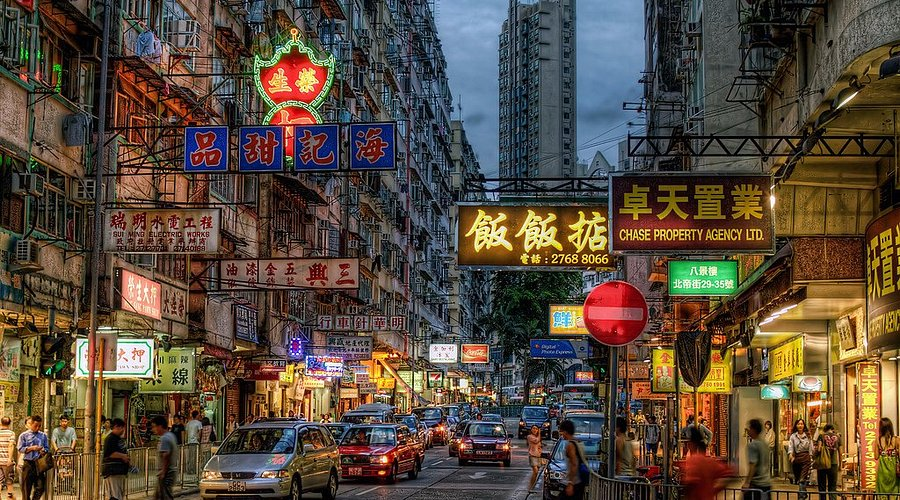
Hong Kong's housing market is brutal. Space is expensive, apartments are small, and everyone is competing for the same limited options. But once you understand how it works, you can navigate it.
University Halls (On-Campus)
If you get offered a spot in university housing, seriously consider taking it. HKU, CUHK, HKUST, CityU - they all have halls that cost around HK$5,000-8,000 per semester. That's significantly cheaper than anything you'll find off-campus, and you're automatically plugged into the social system. The rooms are tiny, you'll share a bathroom with your floor, but the convenience and cost make it worth it for your first year at minimum.
Mong Kok / Prince Edward
Once you're off-campus, this is where many students end up. It's dense, loud, and the definition of Hong Kong energy. Rent runs around HK$5,000-8,000 per month for a room in a shared flat. You're close to MTR stations, surrounded by cheap food, and Nathan Road has everything you need. The trade-off is space, rooms are small and you hear your neighbors through the walls.
Sham Shui Po
Less polished than Mong Kok, which is exactly why rent is cheaper at HK$4,500-7,000 per month. This neighborhood is more local, less tourist-facing. The fabric market, electronics shops, and street food here are legitimate. It's well-connected via MTR and you're still within 20-30 minutes of most universities. Good option if you want to stretch your budget.
Tai Po / Sha Tin (New Territories)
If you're studying at CUHK or don't mind a commute, living in the New Territories drops rent to HK$4,000-6,500 per month. You get more space, quieter neighborhoods, and access to hiking trails on weekends. The downside is the 40-60 minute commute into Central, and nightlife means planning your last train home or paying for a taxi.
The reality of finding a place: Start looking 2-3 months before you need to move in. Join our Hong Kong WhatsApp group where students post available rooms before they hit the public listings.
2. Getting Around Hong Kong: Transport for students

Hong Kong's MTR is one of the best subway systems in the world. Once you figure out the Octopus card, you'll use it for everything.
The Octopus Card is essential. It works on MTR, buses, ferries, trams, minibuses, and you can use it at most shops. Get one at the airport or any MTR station - costs HK$150. Tap to enter transit, tap to exit. Simple.
Student Octopus: If you're enrolled full-time and under 26, apply for a Personalized Octopus with "Student Status" through the MTR Student Travel Scheme. This will get you 50% off MTR fares and it will take approximately 4-6 weeks.
Buses and Minibuses: Buses go everywhere the MTR doesn't. Best to download the "Citymapper" app. It will be way more helpful than Google Maps for the public transport. When you are in a hurry take the red minibuses, which are faster but only accept cash. Although, the best option is the minibuses, which accept Octopus.
Trams on Hong Kong Island: These double-decker trams are slow but very cheap (HK$3 flat fare) and iconic. Good for short distances on the island when you're not in a rush.
Late night transport: MTR stops running around midnight-1am depending on the line. After that, you're taking night buses (designated with "N" prefix) or paying for a taxi. Taxis are metered and legitimate here, but they're quite expensive, so wouldn't recommend.
3. Cost of Living for International Students in Hong Kong

Hong Kong is expensive, but the way money works here is different. Some things cost more, some cost less than you'd expect.
Monthly budget breakdown:
- Rent: HK$4,000-8,000 depending on location
- Food: HK$3,000-4,500 if you eat like a student
- Transport: HK$400-600 (with student Octopus)
- Phone: HK$100-200 for prepaid plans
- Going out: HK$1,500-3,000 depending on lifestyle
Where to actually save money:
Food in Hong Kong can be incredibly cheap if you know where to eat. Cha chaan tengs (Hong Kong-style cafes) serve cheap meals and Dai pai dongs (open-air food stalls) even cheaper ones. Also 7-Eleven has meals for HK$25-35. Try to avoid the Western restaurants and coffee shops in Central, since those are quite expensive.
Wet markets and local supermarkets (Wellcome, ParknShop) are cheaper than the fancy grocery stores. If you cook at home, you can eat well on HK$100-150 per day.
Avoid buying bottled water constantly. Better to get a filtered water bottle or use the water dispensers on campus. Hong Kong tap water is safe to drink after boiling, but most people filter it anyway.
4. Finding food from home in Hong Kong
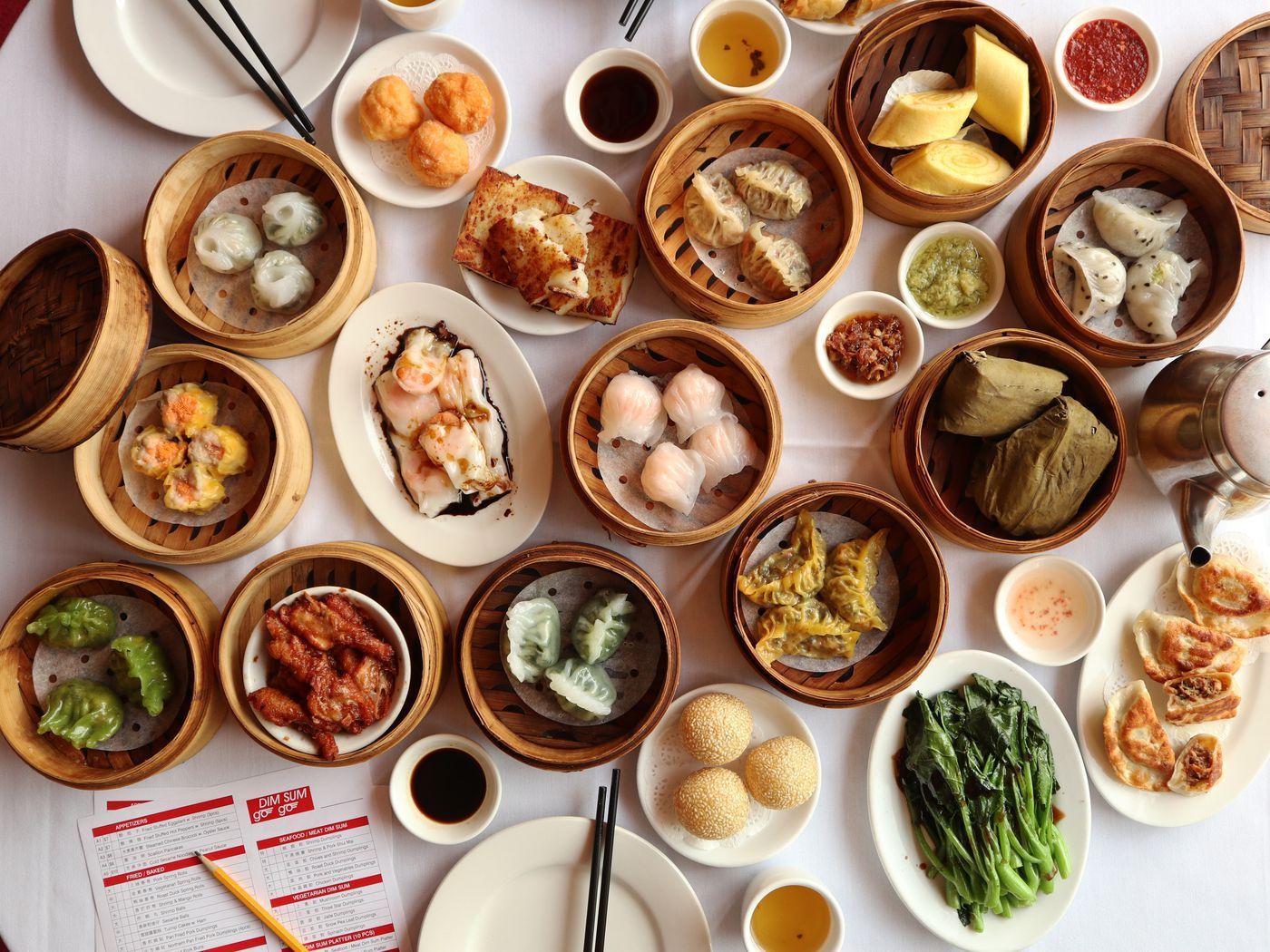
Hong Kong's food scene is massive because it's been a hub for migration for decades. If you're craving something from home, there is a high chance you'll find it.
Chungking Mansions (Tsim Sha Tsui) - This building is legendary. African, Indian, Pakistani, Nepalese, Middle Eastern food all packed into one chaotic, slightly sketchy building. If you're from these regions, this is where you'll find ingredients, restaurants, and people from your country. It looks intimidating from outside but it's safe - just crowded and intense.
Sham Shui Po - Heavy South Asian and Southeast Asian community here. Pakistani, Bangladeshi, Filipino, Indonesian shops and restaurants. Apliu Street has everything from electronics to textiles, and the side streets have the food you're looking for.
Central/Sheung Wan - More upscale, but this is where you'll find European, American, Australian imports if you need them. Expensive, but sometimes you just need proper cheese or specific ingredients.
Tin Hau/Fortress Hill - Korean restaurants and grocery stores cluster here. If you're Korean or craving Korean food, this neighborhood delivers.
Wan Chai - Mixed bag of Southeast Asian, Filipino, Thai, Vietnamese spots. Lockhart Road and the side streets have small restaurants that aren't trying to be trendy, just serving real food.
One thing about Hong Kong: delivery apps (Deliveroo, Foodpanda) work incredibly well here. Late night study sessions, too tired to go out, whatever - you can get almost anything delivered within 30-40 minutes.
5. Hong Kong's student nightlife scene
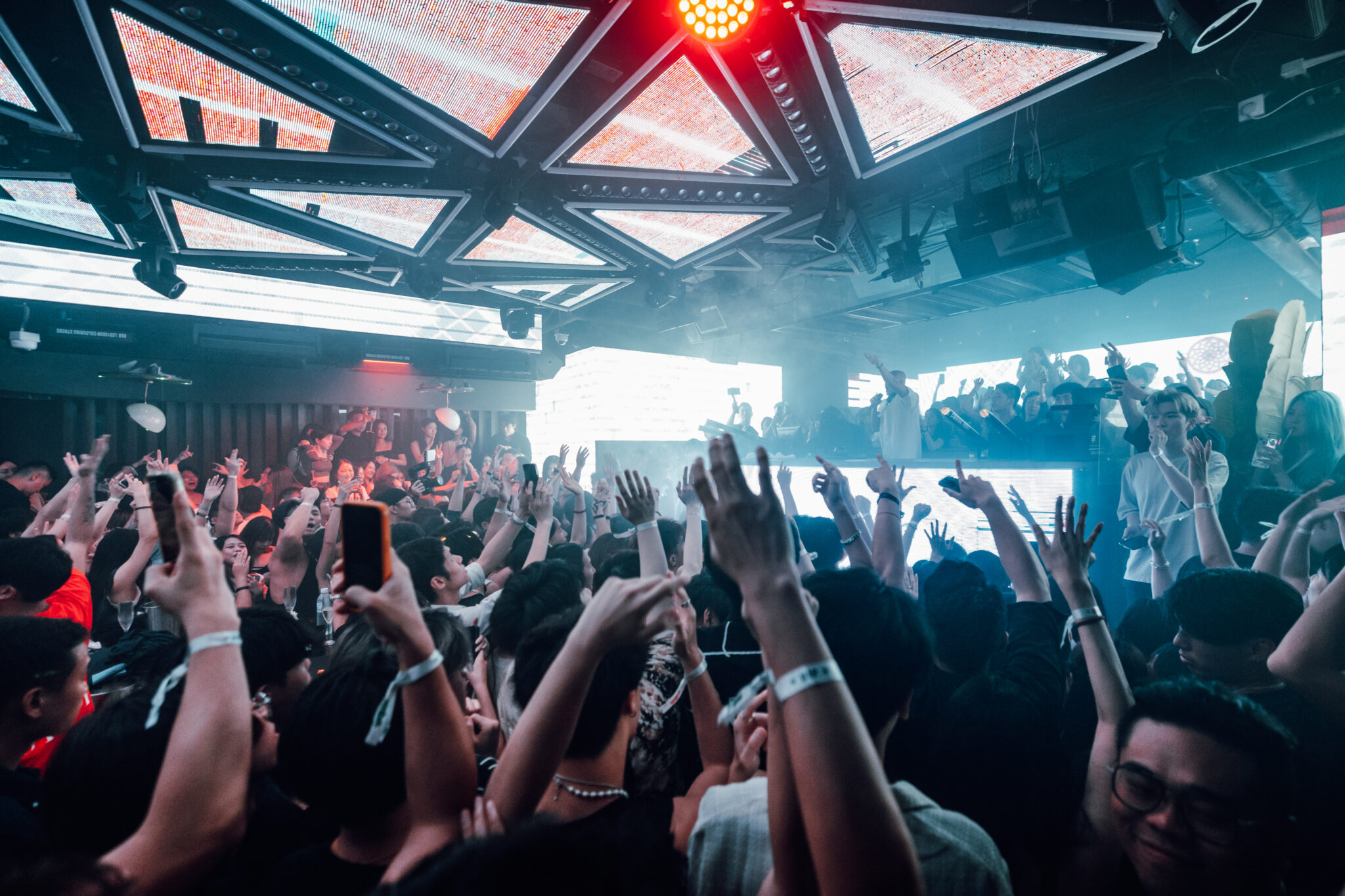
Hong Kong's nightlife is concentrated in specific areas, and each has its own vibe. It's expensive compared to other Asian cities, but there are ways to navigate it without destroying your budget.
Main student areas:
Lan Kwai Fong (LKF): This is the main expat/tourist party district. Wednesday night is "ladies night" at most bars, which actually just means it's student night because everyone shows up for drink specials. It is a bit expensive, but it's packed on the weekends.
Wan Chai: Less polished than LKF, which is exactly why it's better value. Lockhart Road and Jaffe Road have bars where you can get HK$40-50 beers. The vibe is more local, less performative. Mes Amis and The Dusk Till Dawn are solid options. It's grittier, but that's the appeal.
Tsim Sha Tsui (TST): Knutsford Terrace is the Kowloon equivalent of LKF - outdoor bars, slightly cheaper than Central, more tourist-facing. Aqua on the 29th-30th floor has ridiculous harbor views if you're willing to pay HK$120+ per drink. Good for special occasions, not weekly outings.
The reality of Hong Kong's nightlife: It's expensive. Pre-drinking at home or in your dorm is standard practice because paying HK$100 per drink adds up brutally fast. However, happy hours are your friend - many bars in Wan Chai and some in Central run 5-9pm specials where beers drop to HK$30-40.
Top local spots you should know:
Boomerang - One of the main stops in LKF. Multiple floors, different music sections, and it's always crowded. They run student promotions on Wednesdays, so expect a younger crowd, decent DJs, and typical club pricing (HK$80-100 drinks).
Space - Also in LKF, slightly more upscale vibe than Boomerang. The music here skews electronic/house. It's smaller, so it feels more packed when it's busy. Good sound system, stronger drink prices (HK$100+ easily).
Looking forward to see you soon!
Join our Hong Kong WhatsApp group where other international students are sharing housing, answering questions at weird hours, and actually showing up when someone needs help navigating this expensive, beautiful, occasionally frustrating city.
Welcome to the family ;)

Everything
Before You Ask

or dealing with something urgent?
Everything
Before You Ask

