


Living in Barcelona as an International Student
Hey, I'm Lucas, city host of Barcelona at Socials.
I showed up in Barcelona two years ago thinking I had this figured out. I'd taken Spanish in high school, watched a bunch of YouTube videos about the city, and assumed that would be enough.
Reality check: Catalan is not Spanish. The rental market is insane. And nobody warned me that August in Barcelona feels like living inside a convection oven.
My first month was chaos - overpaid for a tiny room in Eixample, got completely lost in the Gothic Quarter multiple times, and learned that "mañana" doesn't mean tomorrow, it means "not today, maybe never."
But once I cracked the code on how Barcelona actually works? Best decision I've made.
This guide is what I needed back then, the real information that matters when you're trying to make student life work in this city.
Let's start with housing, because it'll either make or break your Barcelona experience.
1. Student Accommodation in Barcelona
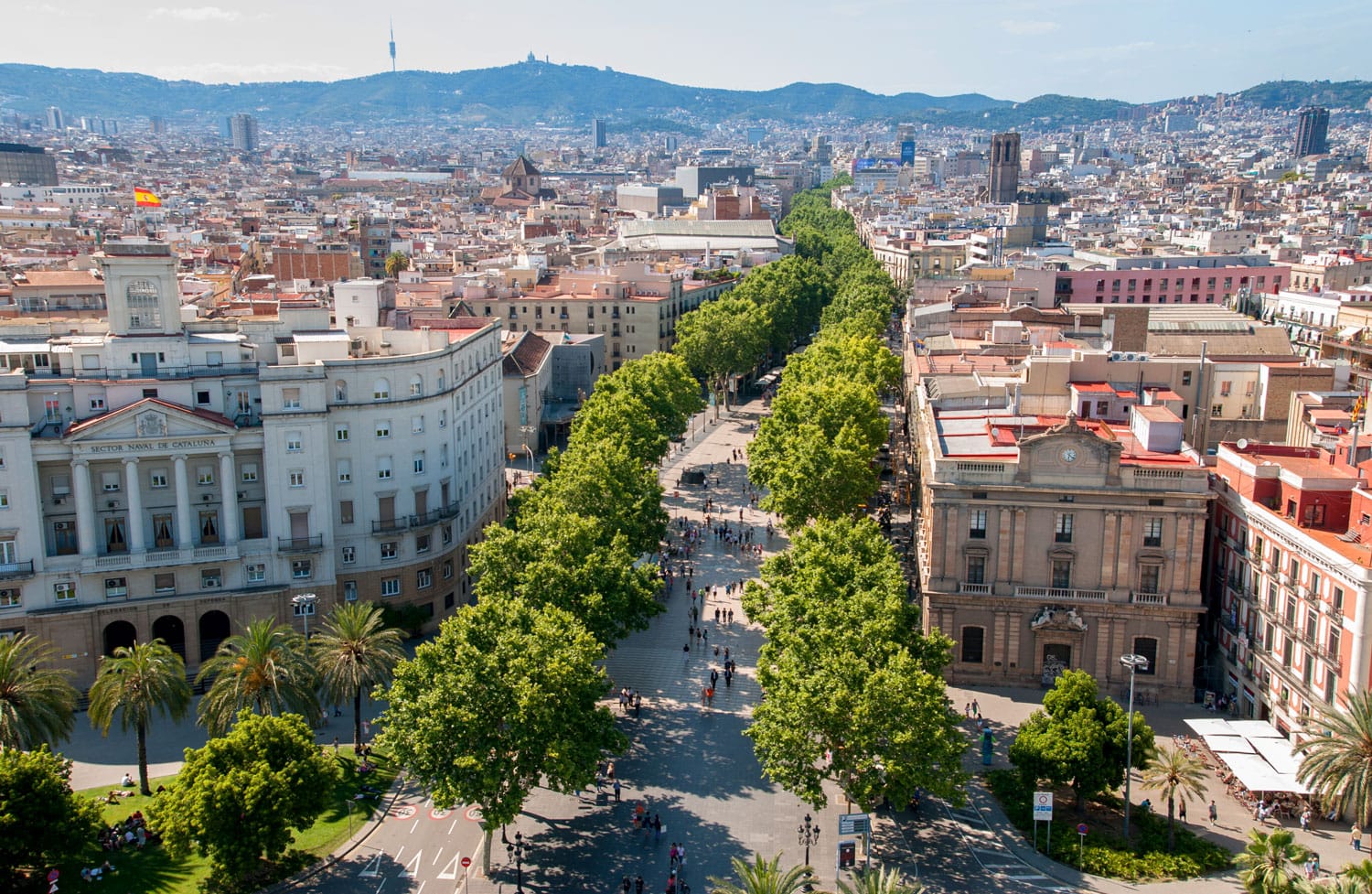
Barcelona's rental market is competitive and full of traps for international students. Housing scams are real here. Here's what you need to know.
University Residences
If your university offers you a spot in a residence hall, consider it seriously. Places like Livensa Living, Xior, or university-run halls cost €300-600 per month. Meals might be included, utilities are covered, and you're automatically in a student community. The trade-off is less independence and sometimes curfews. But for first-year students, it's the safest option.
Gràcia
This is where students cluster once they move off-campus. It's got a neighborhood feel - smaller streets, local vibe, tons of small squares where people actually hang out. Rent runs €400-600 per month for a room in a shared flat. You're close to universities, on the metro, and it feels more like real Barcelona than the tourist-heavy areas. Good mix of locals and international students.
Eixample
The grid-pattern district with all the modernist architecture. It's central, well-connected, and safe. It's also expensive - €500-700 per month for a room in a shared flat. If you can afford it, the location is unbeatable. You're walking distance to everything. But most students can't sustain these prices long-term.
Sants / Hostafrancs
West side of the city, less touristy, more local. Rent is €400-550 per month. You're right on multiple metro lines and close to Sants train station. The neighborhood is residential, slightly boring, but practical. Good option if you want to save money and don't need to be in the middle of the action.
The reality of finding a place: Join our Barcelona WhatsApp group before you arrive. Students post when they're leaving so you get first look at rooms.
2. Getting Around Barcelona: Transport for Students
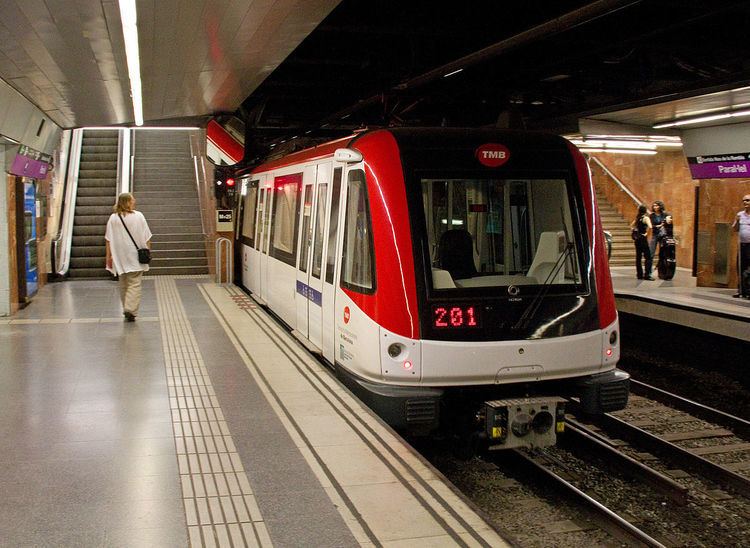
Barcelona's public transport is solid. The Metro (TMB) covers most of what students need, and once you understand the ticketing system, it's straightforward.
T-Jove card is essential if you're under 30. It's a 3-month unlimited travel pass for €80.70 that works on Metro, buses, FGC trains, and trams across Zone 1 (which covers all of Barcelona). That's about €27 per month. If you're commuting daily, T-Jove saves massive money.
Buses run everywhere the Metro doesn't. Same tickets work. Night buses (NitBus) run when the Metro stops - they're marked with an N and most routes pass through Plaça Catalunya. Download the TMB app for real-time schedules.
Metro hours: Monday-Thursday 5am-midnight. Friday 5am-2am. Saturday runs continuously until midnight Sunday. Public holidays often extend hours too.
You need Bicing: It is the bike-share program. €50/year subscription. Good for short trips but only if you're confident cycling in Barcelona traffic - drivers here are aggressive.
3. Cost of Living for International Students in Barcelona
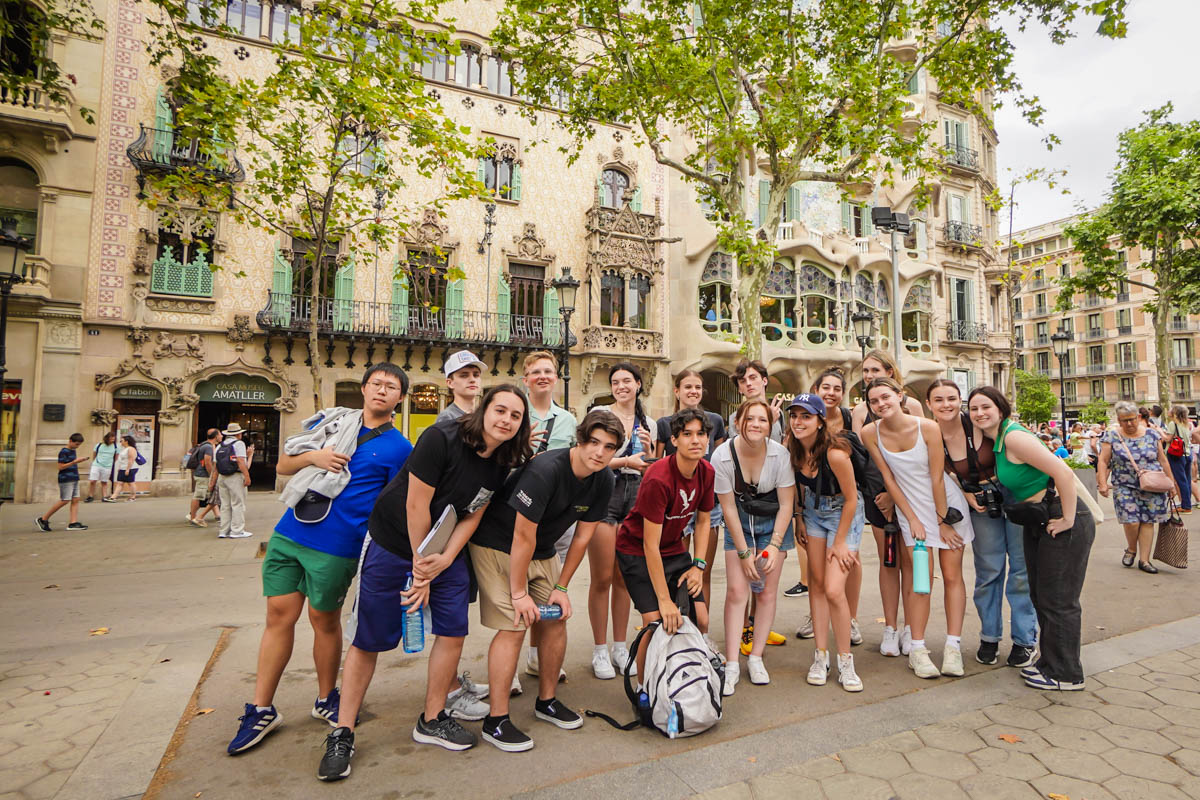
Barcelona is more expensive than people expect. It's not London or Paris expensive, but it's not cheap either. You need a realistic budget.
Monthly budget breakdown:
- Rent: €400-700 depending on area and housing type
- Food: €200-300 if you cook at home mostly
- Transport: €27-43 for T-Jove or T-Usual
- Phone/Internet: €15-30 for mobile plans
- Going out: €150-300 depending on lifestyle
- Utilities: €50-100 if not included in rent
Where to actually save money:
Supermarket: Mercadona and Lidl are the budget supermarkets. Mercats (local markets like La Boqueria, though that one's tourist-priced) have fresh produce for less. Avoid Carrefour Express and other convenience stores, they're marked up.
Free stuff: Most museums are free on Sunday afternoons or first Sunday of the month. Parks (Parc Güell has free sections, Ciutadella Park, beaches) are obviously free. Walking the city is free and honestly one of the best ways to explore Barcelona.
Student discounts: Always ask. Museums, cinemas, some restaurants, gyms - many places offer student discounts with your university ID. Use it.
4. Finding Food from Home in Barcelona

Barcelona is cosmopolitan but not as diverse. You can find international food, but selection varies and costs more than local Spanish/Catalan food.
Asian - Chinese supermarkets and restaurants are scattered around, especially in Eixample and Ciutat Vella. Japanese food exists but it's expensive. Korean food is limited and pricey. Thai and Vietnamese restaurants exist but often adapted for Spanish tastes.
Middle Eastern - Kebab shops everywhere (usually Turkish or mixed). Lebanese restaurants in Eixample and Gràcia. North African presence especially in Raval - Moroccan tea houses, couscous spots. Halal meat available at specific shops.
European - Italian food everywhere (pizza, pasta) but it's often Spanish-Italian fusion. British, German, French food available in expat areas but expensive.
The reality: Spanish/Catalan food is what's cheap and accessible. Embrace it and your budget will thank you. Trying to eat like you did back home in Asia, Africa, or anywhere else will cost you significantly more.
5. Barcelona's Student Nightlife Scene

Barcelona nightlife is late, loud, and spread across different neighborhoods. Nothing really gets going until midnight or 1am. This is Spain, people eat dinner at 10pm and start thinking about going out after that.
Gràcia: More local vibe, less clubbing, more bars and terraces. Good for laid-back nights where you're just drinking and talking. Plazas fill up with people sitting outside.
Port Olímpic / Beach Clubs: Opium, Pacha, Catwalk, these are the big commercial beach clubs. They're expensive, full of tourists, and honestly overrated. Go once if you're curious, but don't make it your regular spot.
Raval: It is cheap and more alternative. Lots of small bars before you head to clubs. This is where you go for pre-drinks because bars here are inexpensive. €3-5 beers, €6-8 cocktails.
The reality of Barcelona nightlife: It's expensive. Pre-drinking at home or cheap bars before going to clubs is standard. Clubs often have lists for discounted or free entry, check with your university's international office, Erasmus organizations, or our WhatsApp group for weekly lists.
Getting home: Metro stops running around midnight-2am depending on the day. After that, night buses (NitBus) or taxis. Taxis from Eixample to Gràcia or similar distances run €8-12. Uber and Cabify also work but aren't always cheaper.
Top local spots you should know:
Twenties - Multi-floor club in the Eixample area. Pop, reggaeton, and commercial music. Gets absolutely packed on weekends. They run student nights with cheaper entry. The crowd is international students mixed with locals. It's a safe bet if you just want to dance and meet people.
Sutton - More upscale than Twenties, still in Eixample. This is where you go when you're dressing up a bit more. House and electronic music. Cover charge is higher but the vibe is elevated. Popular with Spanish students from wealthier families and international students who don't mind spending more.
Looking forward to see you soon!
Join our Barcelona WhatsApp group where other international students are sharing housing, answering questions at weird hours, and actually showing up when someone needs help navigating this expensive, beautiful, occasionally frustrating city.
Welcome to the family ;)

Everything
Before You Ask

or dealing with something urgent?
Everything
Before You Ask

