


Living in Bangkok as an International Student
Hey, I'm Mia, city host of Bangkok at Socials.
Three years ago, I landed in Bangkok thinking I had it figured out. I'd backpacked through Southeast Asia before, knew some basic Thai phrases, and assumed Bangkok would just be another stop.
Turns out, living somewhere is completely different from visiting. My first month was a mess - paid double what I should've for an apartment in Thonglor, got lost in the BTS system constantly, and learned the hard way that "spicy" in Thai translates to pain levels I wasn't prepared for.
At the beginning I started doubting if I had made the right choice, but once I figured out how Bangkok works, this city became the best decision I've made.
This guide is what I needed when I arrived, actual information that matters when you're a student trying to make this work.
Let's start with housing, because it'll be your biggest headache and your biggest expense.
1. Student Accommodation in Bangkok
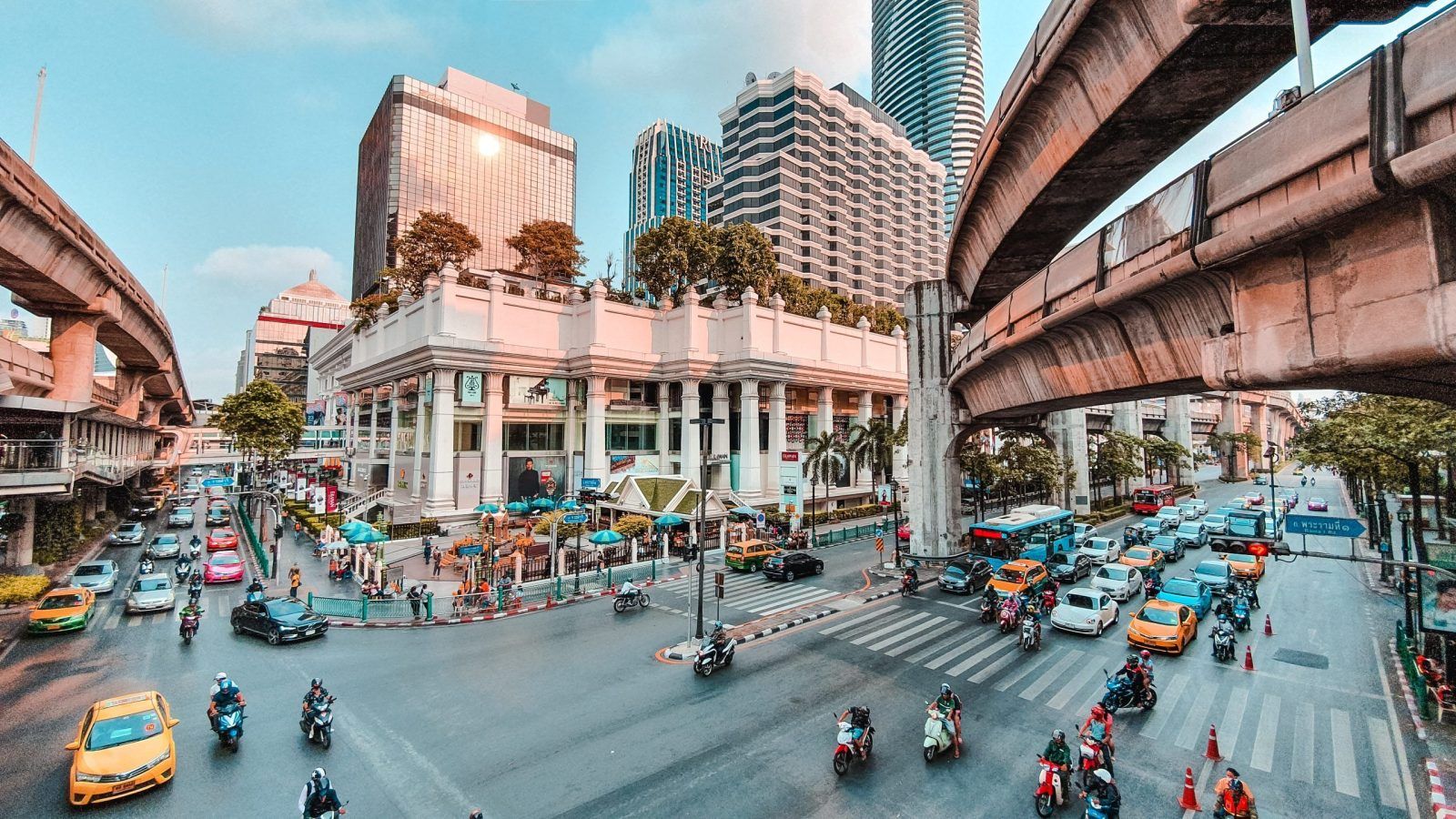
Bangkok's rental market is huge and confusing. There are so many deals everywhere, but there are also more ways to spend money. Here's what actually matters.
University Dorms (On-Campus)
If you're at Chulalongkorn, Thammasat, Mahidol, or any major university and they offer you a dorm spot, take it seriously. Prices range ฿3,000-8,000 per semester. That's way cheaper compared to off-campus. The rooms are basic, you'll share bathrooms with your floor, and curfews exist at some halls. But the money you save and instant friend group make it worth considering for at least your first year.
Ari / Saphan Khwai
This is where a lot of international students cluster. It's close to universities, connected to BTS, and has a good mix of Thai local spots and places that cater to foreigners. Rent runs ฿6,000-10,000 per month for a studio with AC, or ฿4,000-6,000 for a room in a shared apartment. The vibe is young, creative, lots of cafes and small bars. Good for your first year off-campus.
Rangsit / Thammasat Area
If you're studying at Thammasat Rangsit or near there, living locally makes sense. It's cheaper, around ฿3,500-6,000 per month, and you're not commuting an hour each way. The downside is you're far from central Bangkok. Weekend plans mean planning around transport times. It works if you're serious about studying and don't need to be in the middle of everything.
On Nut / Bang Chak
Eastern side of Sukhumvit line. Less trendy than Ari, which means rent is ฿5,000-8,000 for decent studios. You're still on the BTS, 20-30 minutes to central areas, and the neighborhoods are more Thai-local. Good street food, regular supermarkets, less English spoken. If you want to actually learn Thai and not live in an expat bubble, this area works.
The reality of finding a place: Join our Bangkok WhatsApp group before you arrive. Students post when they're leaving so you get first look at rooms
2. Getting Around Bangkok: Transport for Students
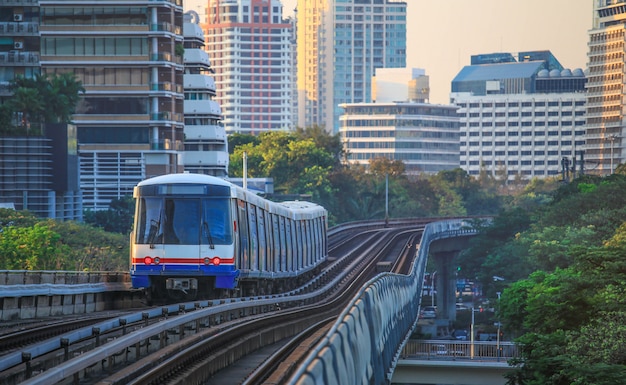
Bangkok's public transport isn't as diverse as Hong Kong or Tokyo, but the BTS and MRT cover enough that you can navigate student life without too much pain.
BTS Skytrain is your main system. Elevated train and runs through all the areas students care about. There are two main lines:
- Sukhumvit Line (Light Green) - Runs from Mo Chit down through all of Sukhumvit Road. This is your workhorse line.
- Silom Line (Dark Green) - Goes from National Stadium through Siam, down to Silom/Sathorn business district, then west to Bang Wa. Less useful for students unless you're working or clubbing in Silom.
Rabbit Card for BTS: Yoy should get one. It's a stored-value card that costs ฿100 deposit plus whatever you load on it. You tap to enter, tap to exit, and you save time not buying tickets every trip. Unfortunately, BTS and MRT use separate cards/tickets. BTS fares run ฿16-59 depending on distance.
MRT tickets: Buy at the station machines or use a contactless credit card to tap in/out (this actually works on MRT but not on BTS yet). Fares are similar - ฿16-42 per trip.
Buses exist but are confusing. They're cheap (฿8-25 depending on AC or not) and go everywhere, but routes are complicated and most info is in Thai. Use them once you've lived here a while. For now, stick to BTS/MRT, to not get lost.
Grab is essential: It's the Thai/Southeast Asian version of Uber. Download it immediately. Use it late at night, when you have luggage, when it's pouring rain, or when the trains have stopped running (BTS/MRT shut down around midnight). Motorcycle taxis through Grab are cheap and fast for short distances - just wear the helmet they give you.
3. Cost of Living for International Students in Bangkok
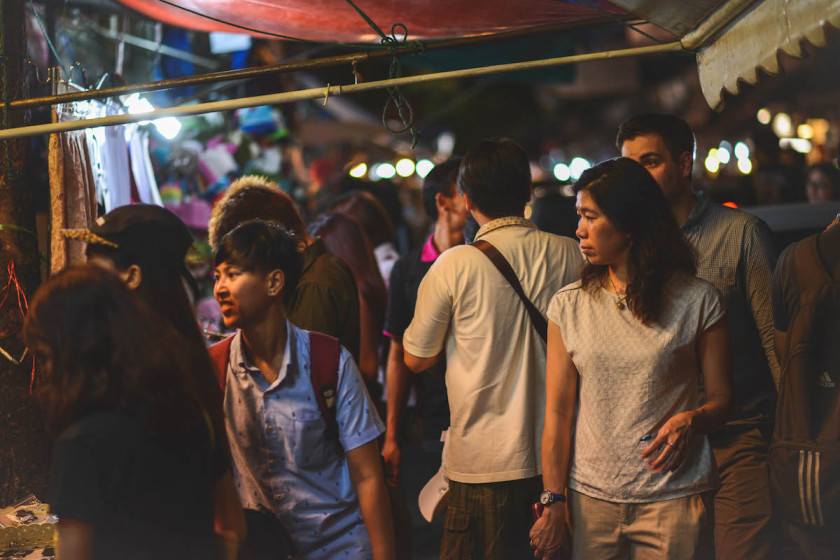
Bangkok is cheap compared to Hong Kong, Sydney, or any European cities. But it's also easy to burn through money if you're not paying attention.
Monthly budget breakdown:
- Rent: ฿4,000-10,000 depending on area and housing type
- Food: ฿4,000-6,000 depending what you eat
- Transport: ฿800-1,500 for daily BTS/MRT
- Phone/Internet: ฿300-600 for SIM card plans
- Going out: ฿2,000-5,000 depending on lifestyle
- Utilities: ฿500-1,000 (electricity is the killer with AC)
Where to actually save money:
Food in Bangkok can be incredibly cheap. Street food and local restaurants serve meals for ฿40-60. If you eat like locals eat, you'll spend way less than cooking at home (because you'd need to buy ingredients, use electricity for cooking/AC, etc.).
Avoid: The trendy cafes in Thonglor, Ari, and Ekkamai where a coffee costs ฿120-180 and brunch is ฿350+. Those places are for Instagram, not regular life.
Markets and local supermarkets (Lotus's, Big C) are cheaper than fancy grocery stores (Tops, Gourmet Market). If you need Western ingredients, you'll pay more - but honestly, learn to eat Thai food and your budget will thank you.
Free or cheap entertainment: Parks (Lumpini Park, Benjakitti Park), temples (most are free or ฿20-50 entry), the Chao Phraya River boats (฿15-20 per ride and you see half the city). Bangkok has tons to do that doesn't require spending money on clubs every weekend.
4. Finding Food from Home in Bangkok
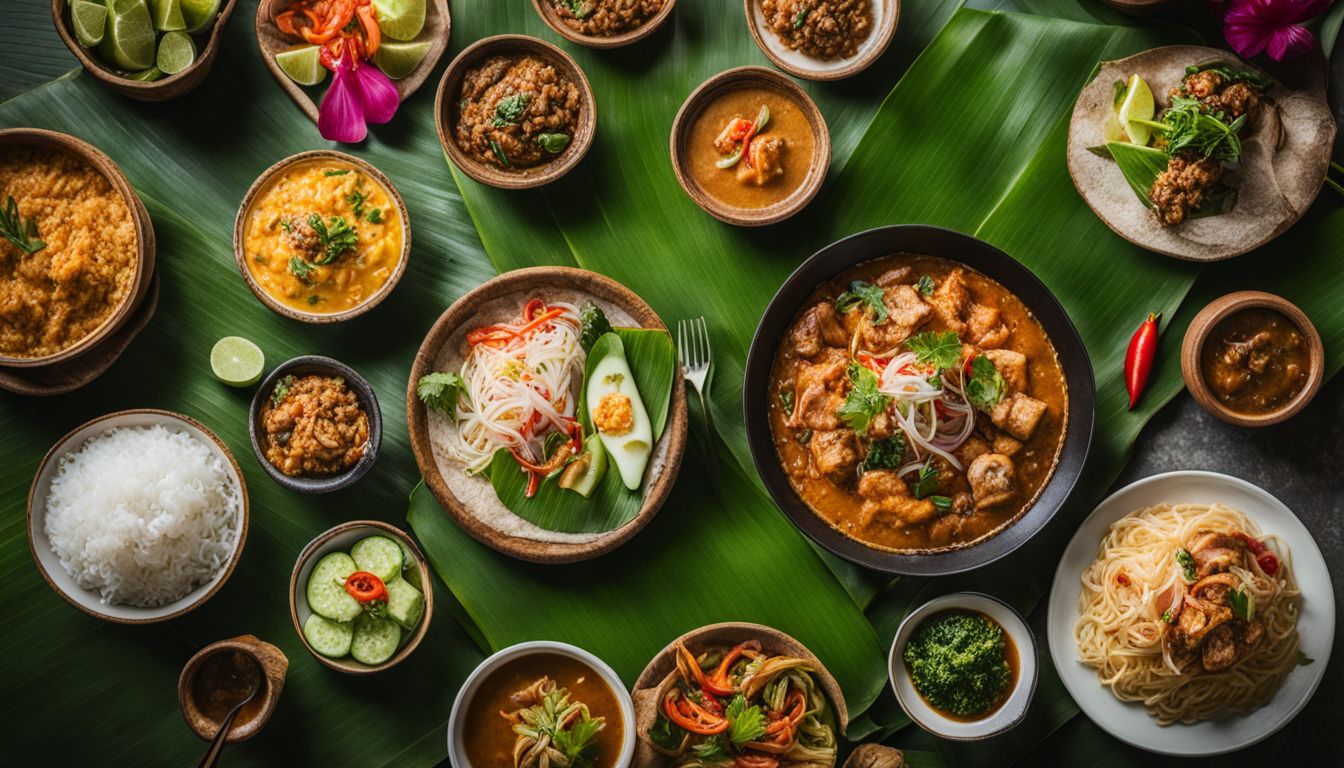
Bangkok has been a migration hub for decades, plus it's flooded with tourists, so you can find food from almost anywhere. The question is whether you can afford it.
Chinese - Chinatown (Yaowarat) is massive. This is where you go for actual Chinese food, not Thai-Chinese fusion. Dim sum, Cantonese roast duck, hot pot - it's all there. Can be cheap (฿60-100 at small spots) or expensive (฿300+ at nice restaurants).
Indian/Pakistani/Bangladeshi - Huge South Asian community. Head to Sukhumvit Soi 3-11 area (Nana, Asoke). Tons of Indian restaurants, halal food, and grocery stores with spices and ingredients you need. Prices are reasonable - ฿80-150 for a meal.
Western - If you're craving burgers, pizza, pasta, it exists but you'll pay. ฿200-400+ for meals at Western restaurants. Better to save this for special occasions.
The sad truth: Western groceries and comfort food are expensive in Bangkok. If you're trying to eat like you did back home in Europe, America, Australia - your budget will hurt. Embrace Thai food, or at least Asian food more broadly, and you'll eat better for less.
5. Bangkok's Student Nightlife Scene
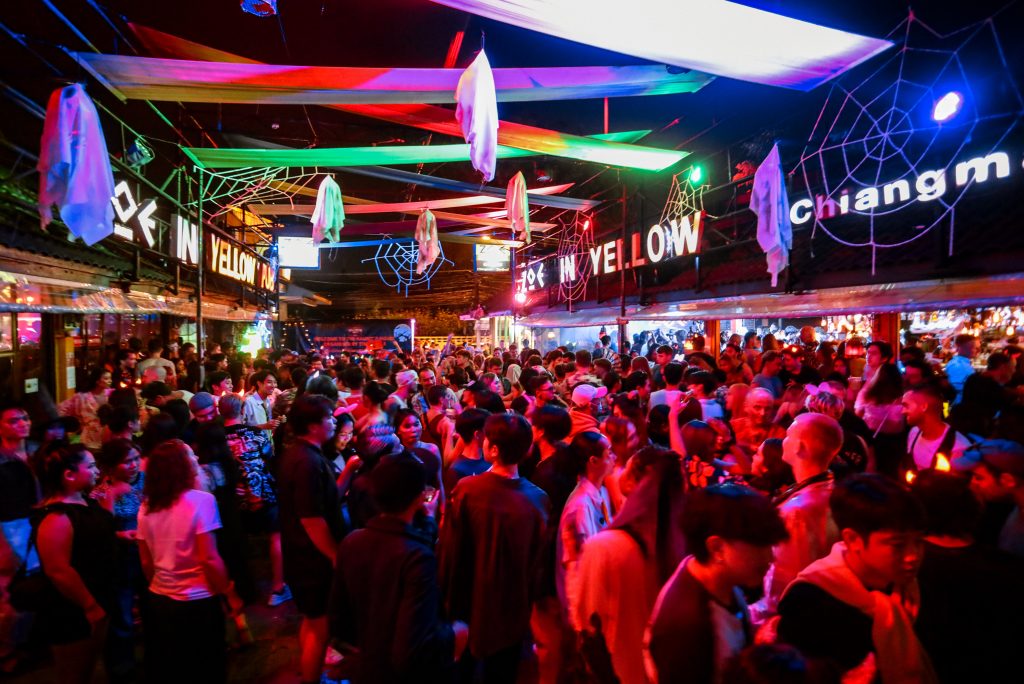
Bangkok's nightlife is chaotic, cheap and operates in a gray area because of licensing laws. So here's what you need to know.
Main student areas:
Royal City Avenue (RCA): This is the main student nightlife district. It's a street full of clubs, bars, and live music venues. Definitely not sophisticated, absolutely packed on weekends, and drinks are student-friendly prices.
Khao San Road: Tourist backpacker central, but also where some students end up because it's cheap and chaotic. There is always live music and you'll meet people from everywhere. It's fun in a messy, unfiltered way. Not where you go weekly, but worth experiencing.
Getting home: BTS/MRT stop around midnight. After that, you're taking Grab or a taxi. Always use Grab late at night, it's safer, you have a record of the trip, and the price is set. Regular taxis can try to charge you double when they see you're drunk and desperate.
The reality of Bangkok nightlife: Bars and clubs have a legal closing time, midnight-2am depending on licensing. Some places close on time, others have "after-hours" that everyone knows about but no one talks about publicly. Just follow the crowd and don't be surprised if you end up somewhere at 4am that definitely shouldn't be open.
Top local spots you should know:
Baccarat - One of the bigger clubs in RCA. Hip-hop and EDM mostly, big dance floor, gets packed after midnight. They run student promotions and ladies' night deals. Crowd is Thai university students mixed with internationals. Cover charge varies but usually ฿200-300 on weekends including drinks.
Lucy Club - Also in RCA, slightly smaller than Baccarat but same vibe. Good sound system, better lighting than some other RCA spots. They book decent local DJs. Cover is similar - ฿200-300 with drinks included. Wednesday and Thursday nights are cheaper and less crowded if you want to test it out first.
Looking forward to see you soon!
Join our Bangkok WhatsApp group where other international students are sharing housing, answering questions at weird hours, and actually showing up when someone needs help navigating this expensive, beautiful, occasionally frustrating city.
Welcome to the family ;)

Everything
Before You Ask

or dealing with something urgent?
Everything
Before You Ask

